Pipe repair
Pipe repair, leak detection and repiping
Pipe repair covers finding and fixing leaks in water supply lines, replacing old or failing piping (galvanized steel, polybutylene or corroded copper) with PEX or copper, repairing the water service line from the meter, and installing or repairing gas lines. Accurate leak detection keeps drywall and flooring damage to a minimum.
- Typical time
- Spot repairs in hours; repipes in two to five days.
- Repair or replace
- Spot-repair isolated leaks; repipe failing galvanized or polybutylene.
Older Northern Colorado homes, such as those in Old Town Fort Collins, central Loveland and Greeley near downtown, may still have galvanized steel supply lines that rust from the inside. Some 1980s and 1990s homes have polybutylene, a gray plastic pipe prone to failing at fittings.
Newer subdivisions in Windsor, Timnath and the Carbon Valley are plumbed with PEX, which resists freezing better but can still fail at fittings or where installed near exterior walls.
Pipe Repair & Repiping at a glance
- What it is
- Pipe repair covers finding and fixing leaks in water supply lines, replacing old or failing piping (galvanized steel, polybutylene or corroded copper) with PEX or copper, repairing the water service line from the meter, and installing or repairing gas lines.
- Service category
- Pipe repair
Signs you need pipe problem help
- Water bill jumps without explanation
- Low pressure throughout the house
- Rusty or discolored water
- Damp spots on walls, ceilings or floors
- Water meter moving with everything off
Quick answers
Pipe Repair & Repiping: the short version
How long pipe repair & repiping takes
Spot repairs in hours; repipes in two to five days.
When pipe problem can wait, and when it can't
Immediate for active leaks; planned for repipes.
Fix or replace pipe problem?
Spot-repair isolated leaks; repipe failing galvanized or polybutylene.
Why pipe problem happens
Corrosion, freezing, old materials and ground movement.
Pipe Repair & Repiping
Pipe Repair & Repiping services
Each page covers one problem in depth: signs, what the plumber does, timing and cost drivers.
- Leak DetectionLeak detection finds hidden water leaks in walls, floors, slabs and underground lines using meter tests, pressure tests, acoustic listening equipment and thermal imaging, so only the necessary area is opened for repair..
- Whole-House RepipingRepiping replaces a home's water supply lines, usually failing galvanized steel, polybutylene or pitted copper, with new PEX or copper, restoring pressure and removing the risk of repeated leaks.
- Water Service Line RepairWater service line repair fixes or replaces the buried pipe that brings water from the meter or curb stop into your house.
- Gas Line Repair & InstallationGas line work covers repairing leaks in interior gas piping and installing new lines to appliances such as ranges, dryers, water heaters, fireplaces, fire pits and grills.
The work
How pipe repair & repiping is done
- 1
Locate
Meter test, pressure test, acoustic and thermal leak detection.
- 2
Repair or replace
Spot repairs for isolated leaks; repiping for failing material.
- 3
Protect and restore
Minimal openings, insulation where needed, and a plan for drywall patching.
What moves the price of pipe repair & repiping
Driven by access, pipe material, length and drywall repair.
- Leak location and access
- Spot repair vs. whole-house repipe
- PEX vs. copper
- Number of fixtures
- Drywall repair
- Permits
Pipe Repair & Repiping: common questions
Should I repipe with PEX or copper?
PEX is flexible, faster to install, and more forgiving in freezes; copper is durable and familiar. Both are code-approved; PEX is the more common choice for repipes today.
How do I know if I have polybutylene pipe?
Polybutylene is usually gray (sometimes blue or black) plastic stamped PB2110, often with plastic or copper crimp fittings. It was common in homes built from the late 1970s to mid-1990s.
Service area
Pipe Repair & Repiping across Northern Colorado
Related
Services often paired with pipe repair & repiping
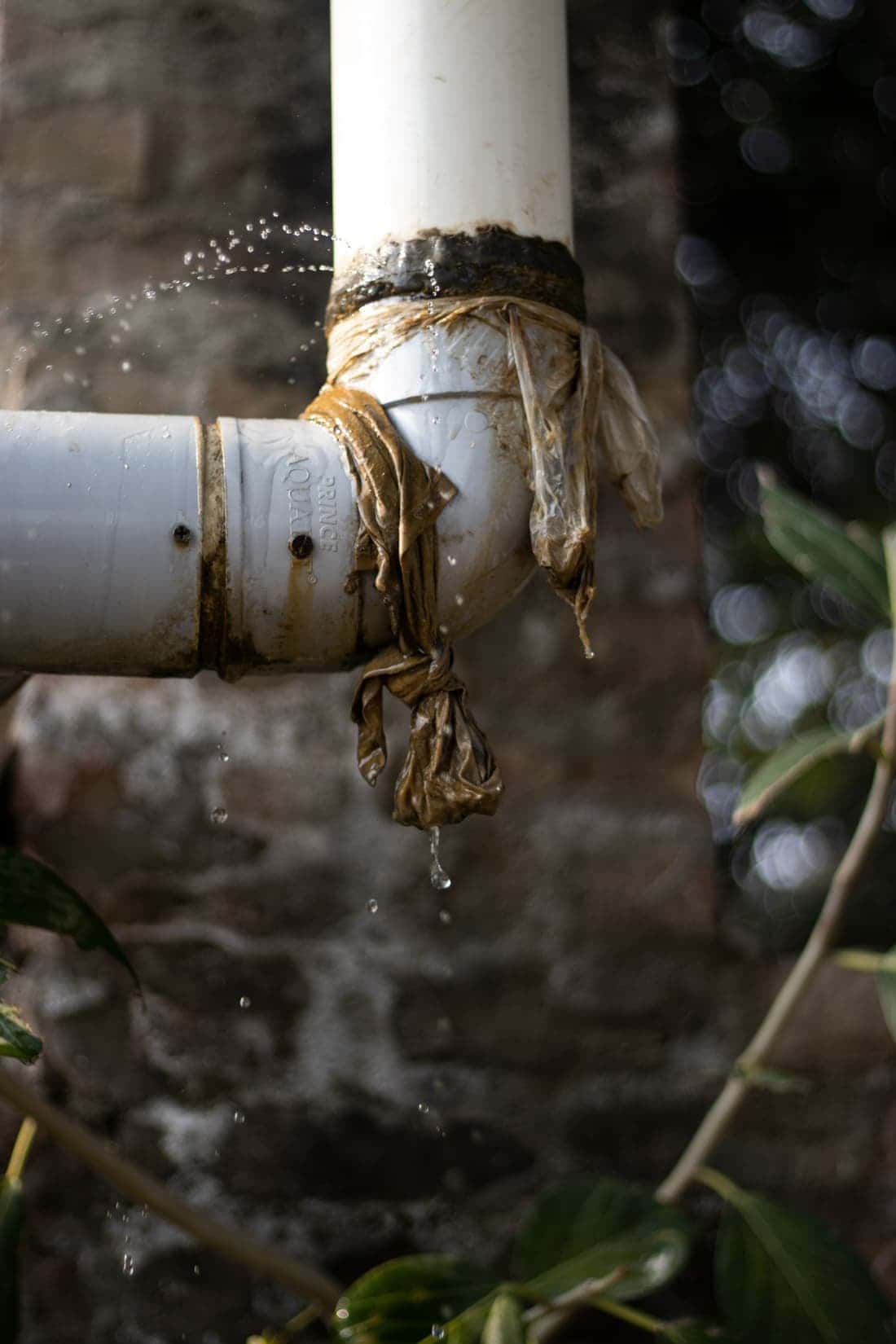
Leak Detection
Leak detection finds hidden water leaks in walls, floors, slabs and underground lines using meter tests, pressure tests, acoustic listening equipment and thermal imaging, so only the necessary area is opened for repair..
Learn more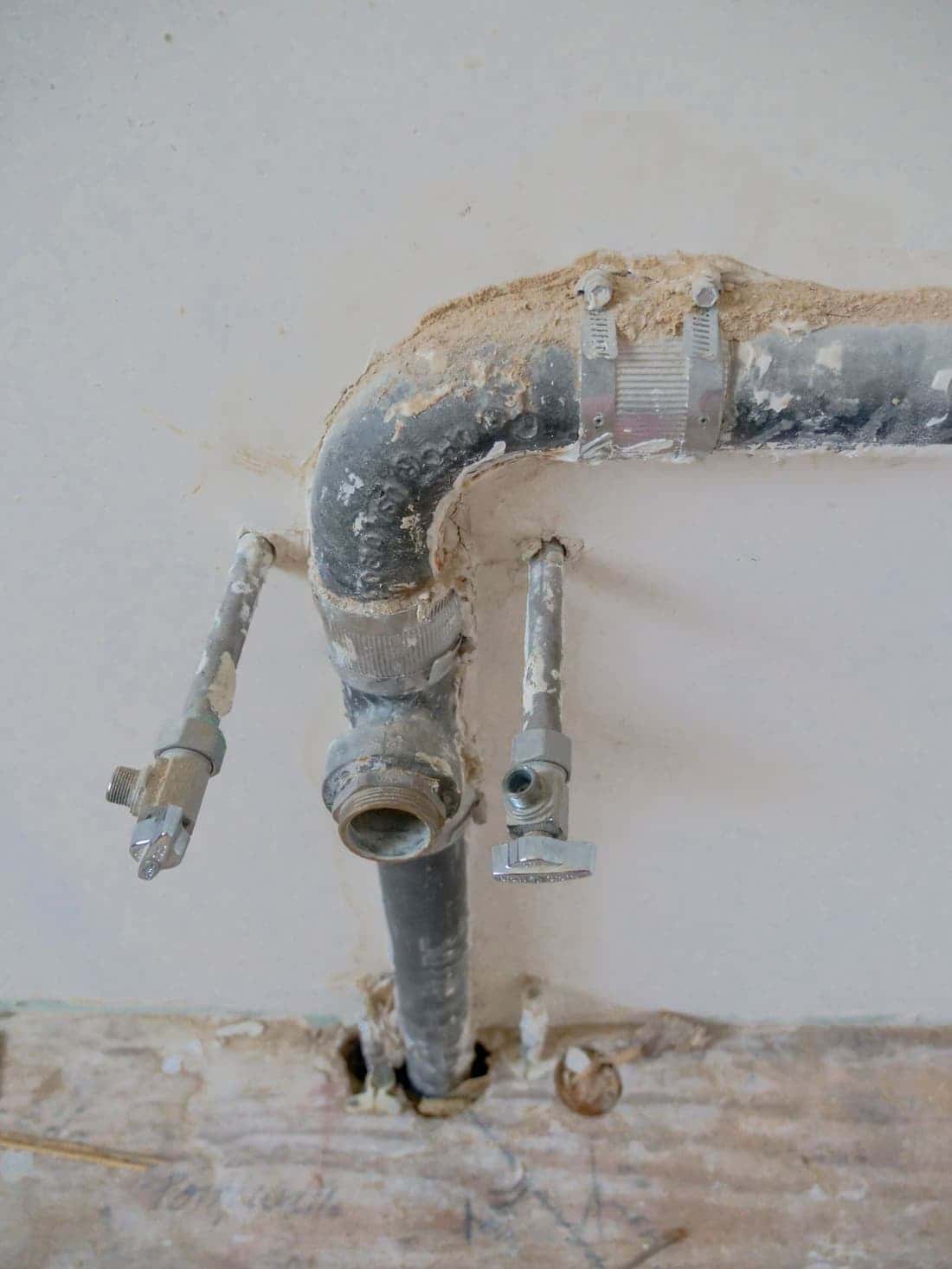
Whole-House Repiping
Repiping replaces a home's water supply lines, usually failing galvanized steel, polybutylene or pitted copper, with new PEX or copper, restoring pressure and removing the risk of repeated leaks.
Learn more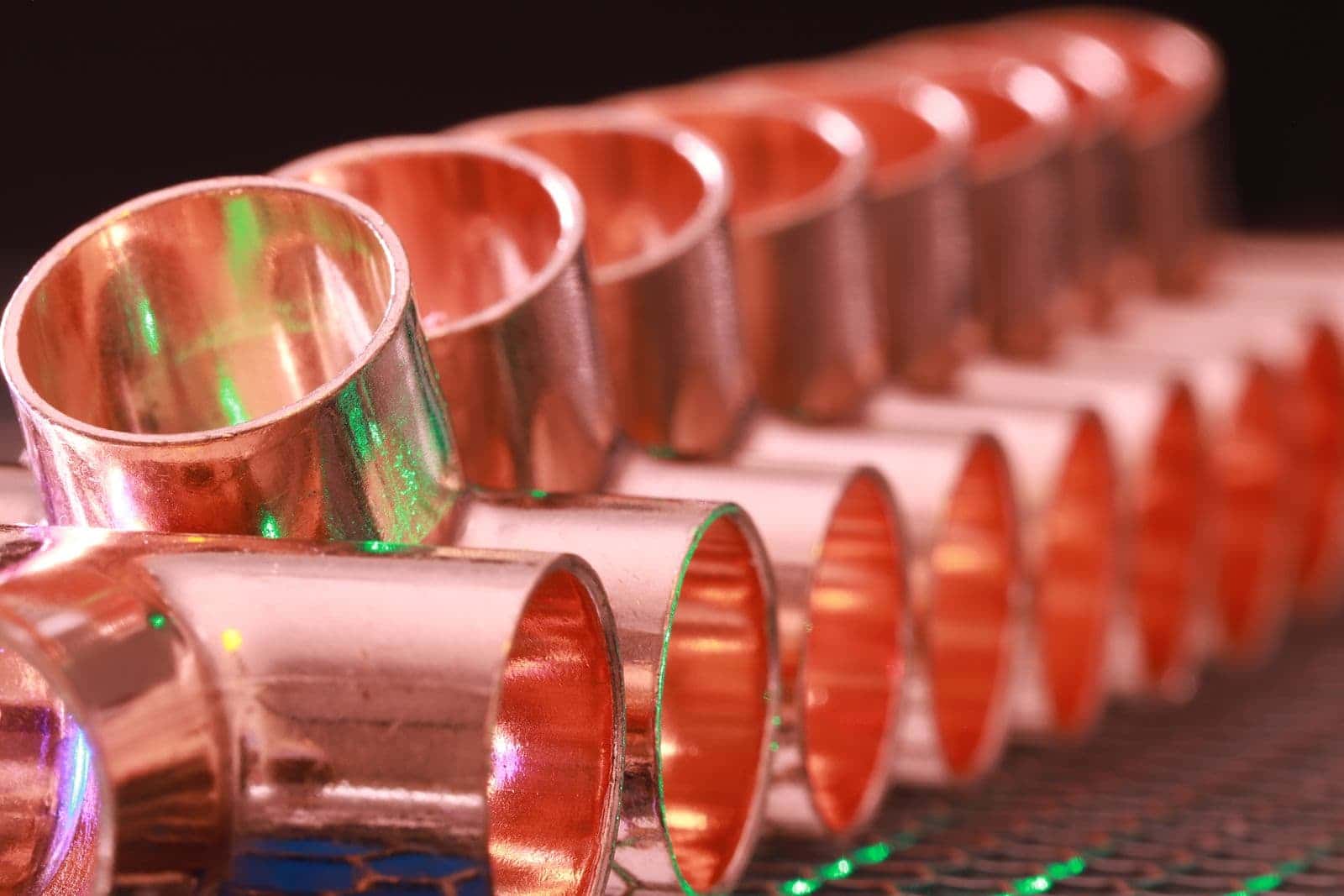
Water Service Line Repair
Water service line repair fixes or replaces the buried pipe that brings water from the meter or curb stop into your house.
Learn moreGuides
Reading on pipe problem
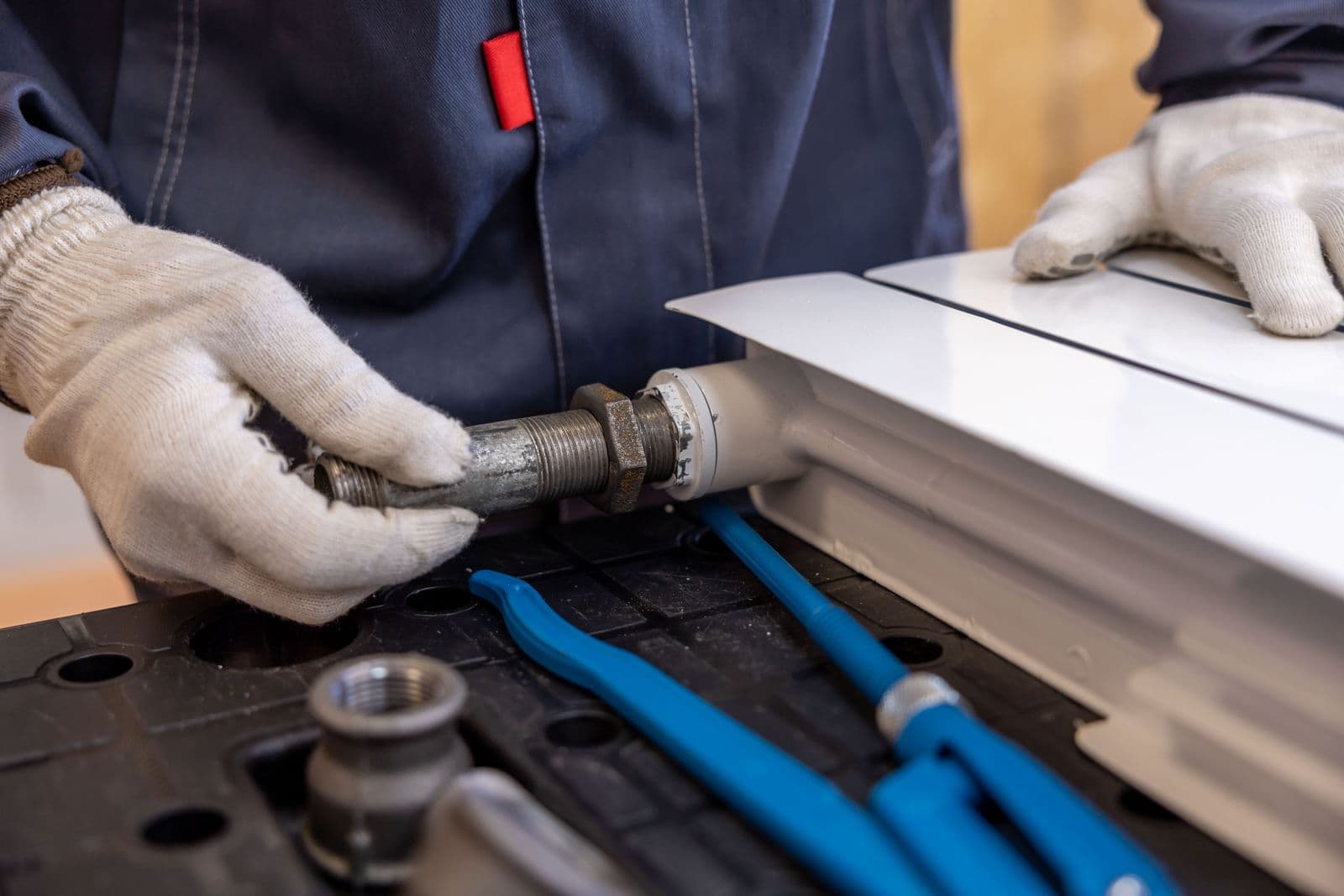
Call about a pipe problem
Corrosion, freezing, old materials and ground movement.