
Emergency plumbing
Emergency plumbing in Northern Colorado
Emergency plumbing covers problems that cause damage every minute they continue: burst or frozen pipes, a leak you can't stop, sewage backing up into a basement, a failed water heater flooding a utility room, or a gas smell near an appliance. Shut off the main water valve (or leave the house for gas) and call.
First: If water is moving, close the main shutoff; if sewage is coming up a drain, stop using water everywhere instead.
By calling, you agree your call may be recorded and connected to an independent, licensed plumbing contractor in your area, who may call or text you back about your request. Free referral service; consent is not a condition of purchase. Privacy policy.
- Typical time
- Most emergency repairs are done in one visit of one to a few hours.
- Repair or replace
- Repair the failure now; replacement decisions can wait for daylight.
Do this first
If water is moving, close the main shutoff; if sewage is coming up a drain, stop using water everywhere instead.
Call right away if: a frozen pipe that has split or is dripping as it thaws; water coming through a basement ceiling or wall; sewage backing up through a basement floor drain.
Northern Colorado's cold snaps are the biggest cause of plumbing emergencies here. A night below zero after a warm spell freezes pipes in exterior walls, crawlspaces, garages and unheated basements, and they split when they thaw. Basements, which are common in Fort Collins, Loveland and Greeley homes, add sewer backups and sump pump failures to the list.
The first five minutes matter most. Knowing where the main shutoff is (usually in the basement or crawlspace where the line enters, or at the curb stop) saves more damage than anything a plumber can do later.
Emergency Plumbing at a glance
- What it is
- Emergency plumbing covers problems that cause damage every minute they continue: burst or frozen pipes, a leak you can't stop, sewage backing up into a basement, a failed water heater flooding a utility room, or a gas smell near an appliance.
- Service category
- Emergency plumbing
Signs you need plumbing emergency help
- Water spraying or pouring from a pipe
- Ceiling bulging or dripping
- Sewage or gray water coming up a floor drain
- No water at all on a sub-zero morning
- Rotten-egg smell near a gas appliance
Pick what's happening
Pipe frozen, not leaking yet
Do now
- Find and test the main shutoff before the pipe thaws.
- Crack open the faucet on that line so thawing water can flow out.
- Warm the section with a hair dryer or a space heater kept at a safe distance.
Avoid
- No torches or lighters on a frozen pipe; they start fires inside walls.
- Don't leave a heater running unattended in a crawl space or garage.
Call: If you can't reach the frozen section, or several fixtures have no water.
Full step-by-step guideBurst pipe or leak you can't stop
Do now
- Close the main shutoff; in a basement home it's usually where the line enters through the foundation.
- Cut the breaker to any circuit with water near it.
- Open a basement laundry tub or the lowest faucet to drain the lines.
Avoid
- Stay out of standing water until the power to that area is off.
- Don't turn the water back on to test the repair yourself.
Call: Now, while the main is closed: the fix is faster before drywall and carpet soak through.
Full step-by-step guideSewage in the basement
Do now
- Tell everyone in the house: no showers, laundry, dishwasher or flushing until the line is clear.
- Keep kids and pets out of the basement.
- Note where the sewer cleanout is for the plumber.
Avoid
- Skip the chemical drain opener: it won't clear a main-line block and it burns whoever snakes the line next.
- Every flush upstairs adds more water to the basement.
Call: Right away: sewage at a floor drain means the main line is blocked.
Full step-by-step guideWater heater leaking
Do now
- Set the gas valve to off (most homes here have gas heaters) or switch off the breaker.
- Close the cold-water valve on top of the tank.
- Move stored items away.
Avoid
- If you smell gas, leave the house and call the gas utility first.
- Don't open the drain or relief valve while the water is hot.
Call: When the tank itself is leaking or the relief valve keeps discharging.
Coming home to a leak after being away
Do now
- Close the main shutoff before walking through the house.
- Turn off power to any room with water near outlets.
- Photograph everything before moving anything.
Avoid
- Don't turn the water back on until the source is found and repaired.
Call: Right away: leaks in an empty house have usually spread further than they look.
Full step-by-step guideQuick answers
Emergency Plumbing: the short version
How long emergency plumbing takes
Most emergency repairs are done in one visit of one to a few hours.
When plumbing emergency can wait, and when it can't
Immediate: shut off the main and call.
Fix or replace plumbing emergency?
Repair the failure now; replacement decisions can wait for daylight.
Why plumbing emergency happens
Cold snaps, failed supply lines, sewer blockages and aging water heaters.
Emergency Plumbing
Emergency Plumbing services
Each page covers one problem in depth: signs, what the plumber does, timing and cost drivers.
- Burst & Frozen Pipe RepairFrozen pipe repair thaws the frozen section safely and checks it for splits; burst pipe repair replaces the split section and fixes whatever let it freeze.
- Emergency Leak RepairEmergency leak repair stops water that's actively escaping, from a failed supply line, a cracked fitting, a leaking valve or a split pipe, and makes a permanent repair so water can be turned back on.
- Basement Sewer BackupA basement sewer backup happens when the main sewer line is blocked or the city main surcharges, so waste comes up the lowest drain, usually the basement floor drain.
The work
How emergency plumbing is done
- 1
Stop the damage
Main water valve closed; for gas smells, leave the house and call Xcel Energy or 911 first.
- 2
Diagnose
Find the failed pipe, fitting, drain or appliance and what caused it.
- 3
Repair
Fix the break or clear the line so water and drains work again, same visit where possible.
- 4
Prevent a repeat
Insulate or reroute exposed pipes, fix grading or check valves, and document for insurance.
What moves the price of emergency plumbing
Depends on time of day, access and what failed; you get the price before work starts.
- Time of day and holiday calls
- Access (drywall, crawlspace, frozen ground)
- What failed: pipe, fitting, drain, appliance
- Parts on hand vs. special order
- Follow-up repairs after the emergency fix
Before you call
Safe first steps: plumbing emergency
Safe to do yourself
- •Shut off the main water valve
- •Open a low faucet to drain the lines
- •Turn off the water heater if the tank or its lines are leaking
- •Photograph the damage for insurance
Stop and get professional help if
- •Never thaw a pipe with an open flame
- •Stay out of standing water near outlets or appliances
- •Leave the house if you smell gas, then call Xcel Energy or 911
Check coverage near you
Use your location or ZIP code to see whether emergency plumbing is covered where you are, and the nearest service area.
Location is only used to find the service area nearest you. It stays on your device and isn't stored.
Emergency Plumbing: common questions
What counts as a plumbing emergency?
Anything causing active damage or a health risk: burst pipes, uncontrollable leaks, sewage backups, no water, a leaking water heater, or a gas smell. A slow drip or a single clogged sink can usually wait for a scheduled visit.
Where is my main water shutoff?
In most Northern Colorado homes it's where the water line enters the house, often in the basement or crawlspace near the water meter. There's also a curb stop outside that the utility or a plumber can operate.
Does homeowners insurance cover a burst pipe?
Sudden, accidental water damage from a burst pipe is often covered; the pipe repair itself and damage from long-term leaks or an unheated, vacant home may not be. Check your policy.
Service area
Emergency Plumbing: our in-depth local pages
- Emergency Plumbing in Fort Collins
- Emergency Plumbing in Loveland
- Emergency Plumbing in Greeley
- Emergency Plumbing in Windsor
- Emergency Plumbing in Timnath
- Emergency Plumbing in Berthoud
- Emergency Plumbing in Johnstown
- Emergency Plumbing in Milliken
- Emergency Plumbing in Evans
- Emergency Plumbing in Firestone
- Emergency Plumbing in Frederick
- Emergency Plumbing in Dacono
- Emergency Plumbing in Fort Lupton
- Emergency Plumbing in Mead
- Emergency Plumbing in Platteville
- Emergency Plumbing in Longmont
- Emergency Plumbing in Erie
- Emergency Plumbing in Wellington
- Emergency Plumbing in Severance
- Emergency Plumbing in Eaton
- Emergency Plumbing in Estes Park
- Emergency Plumbing in LaSalle
- Emergency Plumbing in Kersey
Related
Services often paired with emergency plumbing
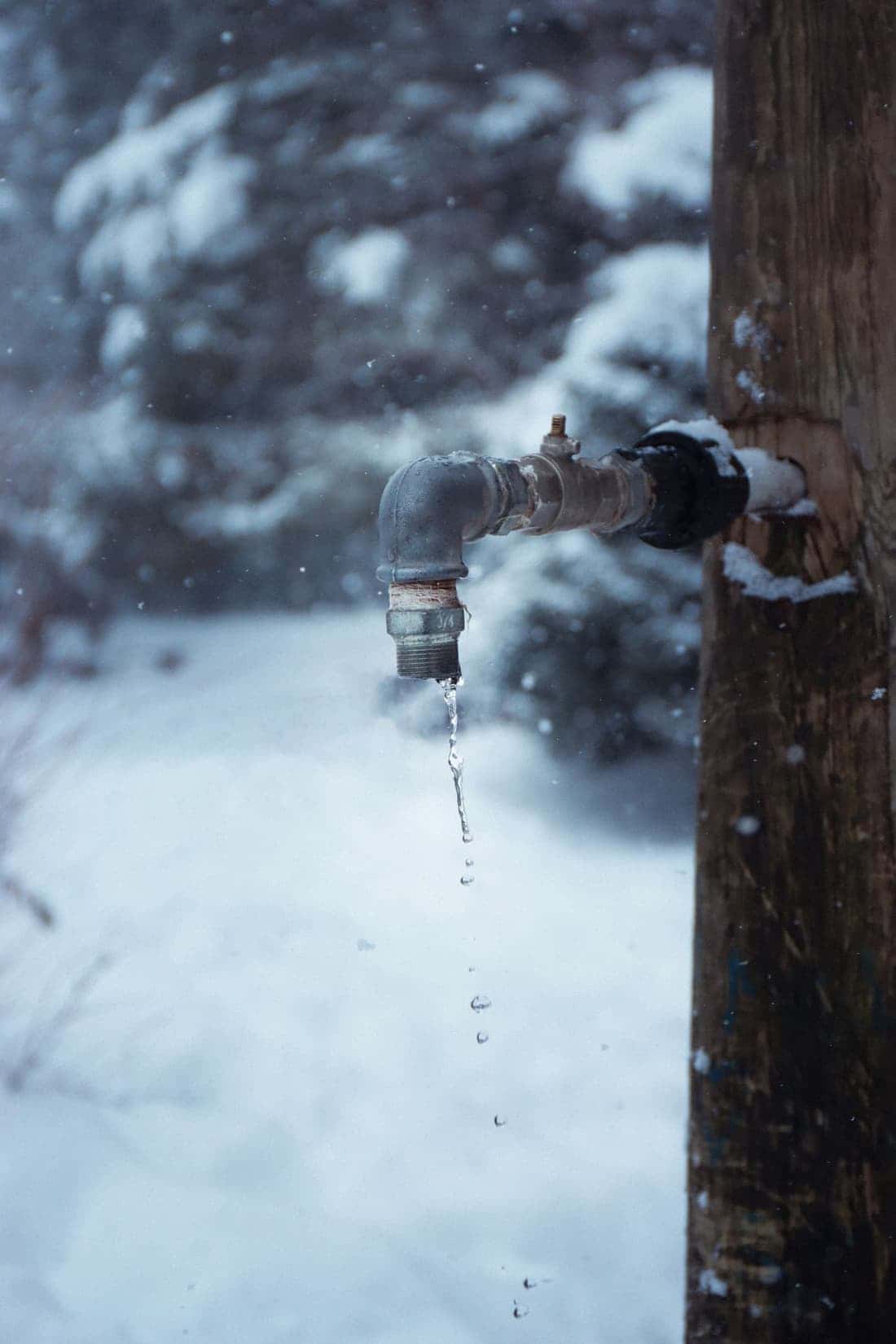
Burst & Frozen Pipe Repair
Frozen pipe repair thaws the frozen section safely and checks it for splits; burst pipe repair replaces the split section and fixes whatever let it freeze.
Learn more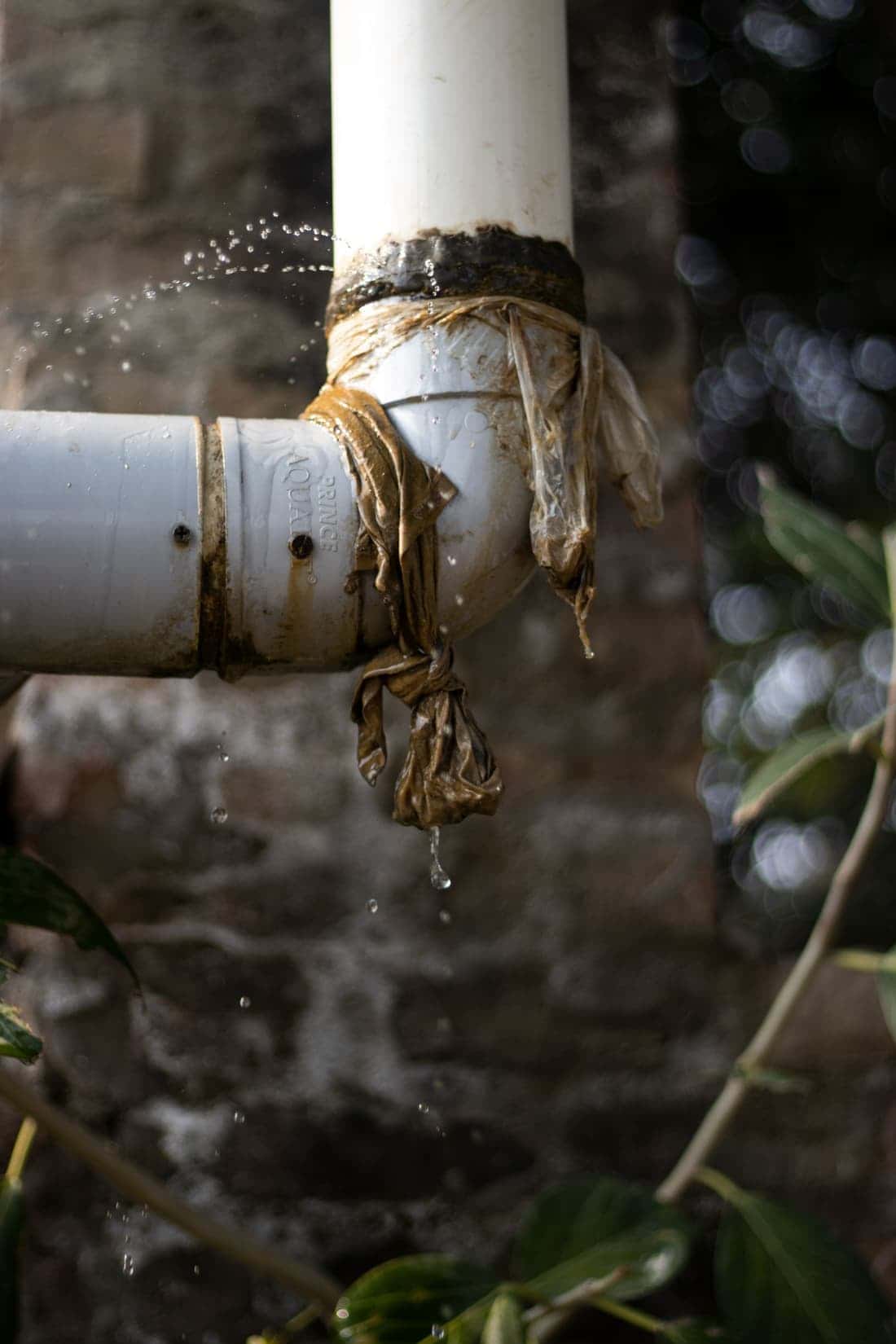
Emergency Leak Repair
Emergency leak repair stops water that's actively escaping, from a failed supply line, a cracked fitting, a leaking valve or a split pipe, and makes a permanent repair so water can be turned back on.
Learn more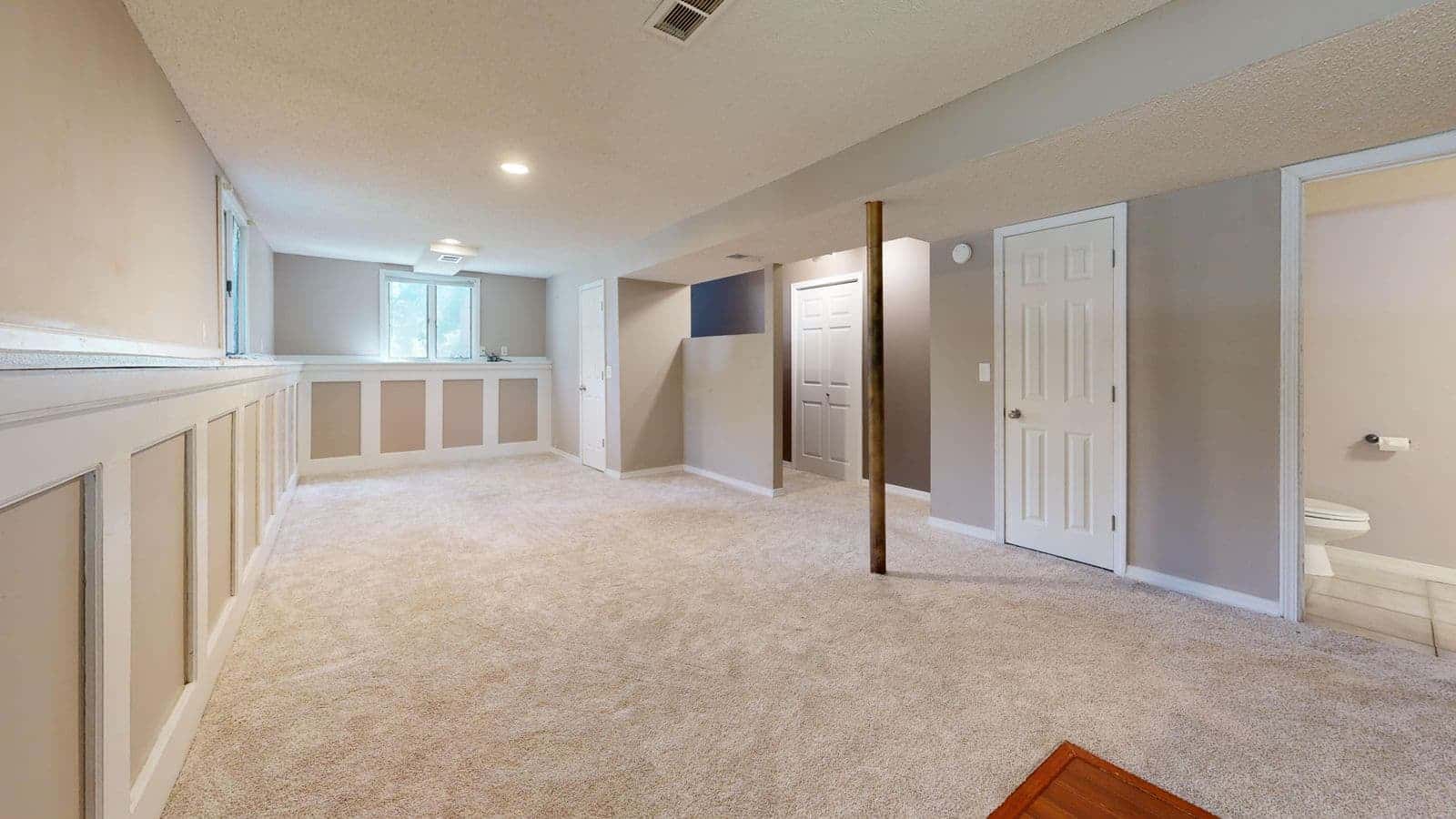
Basement Sewer Backup
A basement sewer backup happens when the main sewer line is blocked or the city main surcharges, so waste comes up the lowest drain, usually the basement floor drain.
Learn more
Call about a plumbing emergency
Cold snaps, failed supply lines, sewer blockages and aging water heaters.