
Pipes & leaks
Galvanized and Polybutylene Pipes: Should You Replace Them?
Updated · Kestrel editorial · 2 min read
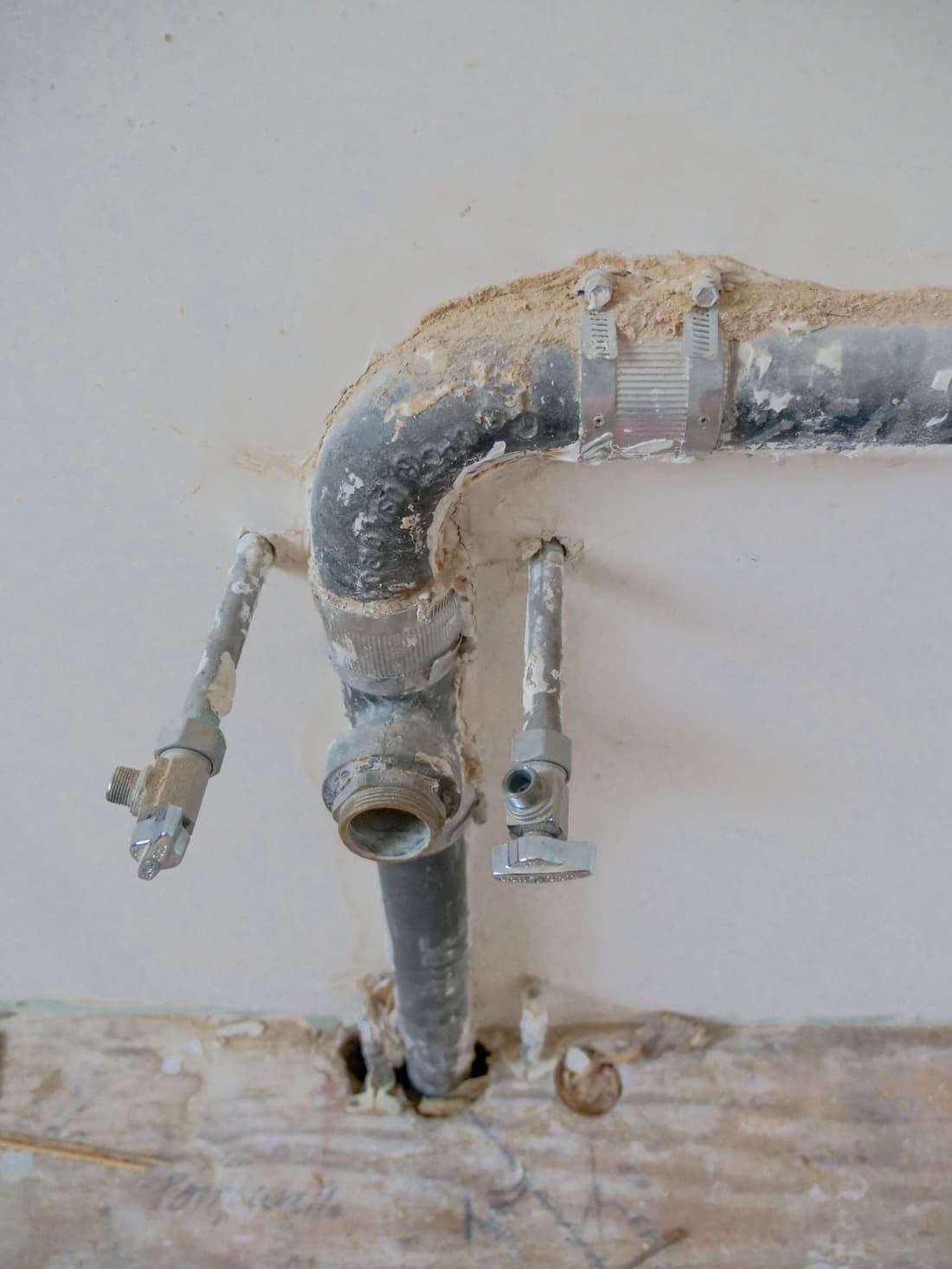
Identify
- Galvanized: gray threaded steel pipe; a magnet sticks
- Polybutylene: gray plastic stamped PB2110, common late 1970s–mid 1990s
Signs of trouble
- Low pressure
- Rusty water
- Repeated leaks
Repiping
See whole-house repiping.
Planning a repipe
Most repipes use PEX, run through walls with small access openings. A plumber maps the fixtures, plans the routes, and patches openings; the house can often stay occupied during the work.
How to tell what you have
Look where the water line enters the house and at exposed runs near the water heater, under sinks and in an unfinished basement or crawl space.
- Galvanized steel: dull gray, threaded joints, and a magnet sticks to it
- Polybutylene: flexible gray (sometimes blue or black) plastic, often stamped PB2110, with crimp rings at fittings
- Copper: orange-brown or tarnished green; a magnet doesn't stick
- PEX: flexible white, red or blue plastic, common in homes built since the late 1990s
- CPVC: rigid cream-colored plastic with glued joints
Which Northern Colorado homes are most likely to have them
Galvanized supply pipe was common before about 1960; polybutylene was widely installed from about 1978 to the mid-1990s. Towns with older housing, such as Greeley (46% of homes built before 1980), Fort Lupton (half before 1980) and LaSalle (54% built from 1960 to 1979), are more likely to have either, unless the home has been repiped. Many homes in newer communities like Timnath, Severance and Windsor were built after both materials fell out of use.
Replacing only the section that failed is reasonable for one leak. When leaks appear in different places, pressure keeps dropping, or a home inspector flags the material, repiping the whole house is usually the better long-term decision.
Call a professional if
- Low pressure everywhere
- Rusty water
- Multiple leaks in a year
- Polybutylene identified
Galvanized and Polybutylene Pipes: Should You Replace Them?: follow-up questions
Does galvanized pipe affect water pressure?
Yes. Rust builds up inside galvanized pipe and narrows it, reducing pressure over time.
Every home differs; editorial standards.