
Water heaters
Water Heater: Repair or Replace?
Updated · Kestrel editorial · 2 min read
Repairable problems
- Pilot or igniter failures
- Thermocouple or flame sensor
- Electric elements or thermostats
- Relief valve issues
Replace when
- Water around the tank base
- Rusty hot water
- Age past 10–12 years
- Repeated repairs
Next steps
See water heater replacement and tankless options.
Altitude and venting checks
Gas water heaters along the Front Range need correct altitude derating and venting. On replacement, the plumber should confirm the vent size, combustion air and gas line, and install an expansion tank if the home has a pressure-reducing valve.
A simple way to decide
Start with three facts: the age on the label, what failed, and whether the tank itself is leaking.
- Tank leaking from the body or bottom: replace; tanks can't be repaired
- Under about 8 years and a part failed (thermocouple, igniter, gas valve, element, thermostat): usually repair
- Over about 10 years with rumbling, rusty hot water or repeated repairs: plan replacement
- Relief valve dripping: check pressure and the expansion tank first; the valve itself may be fine
What changes the math in older homes
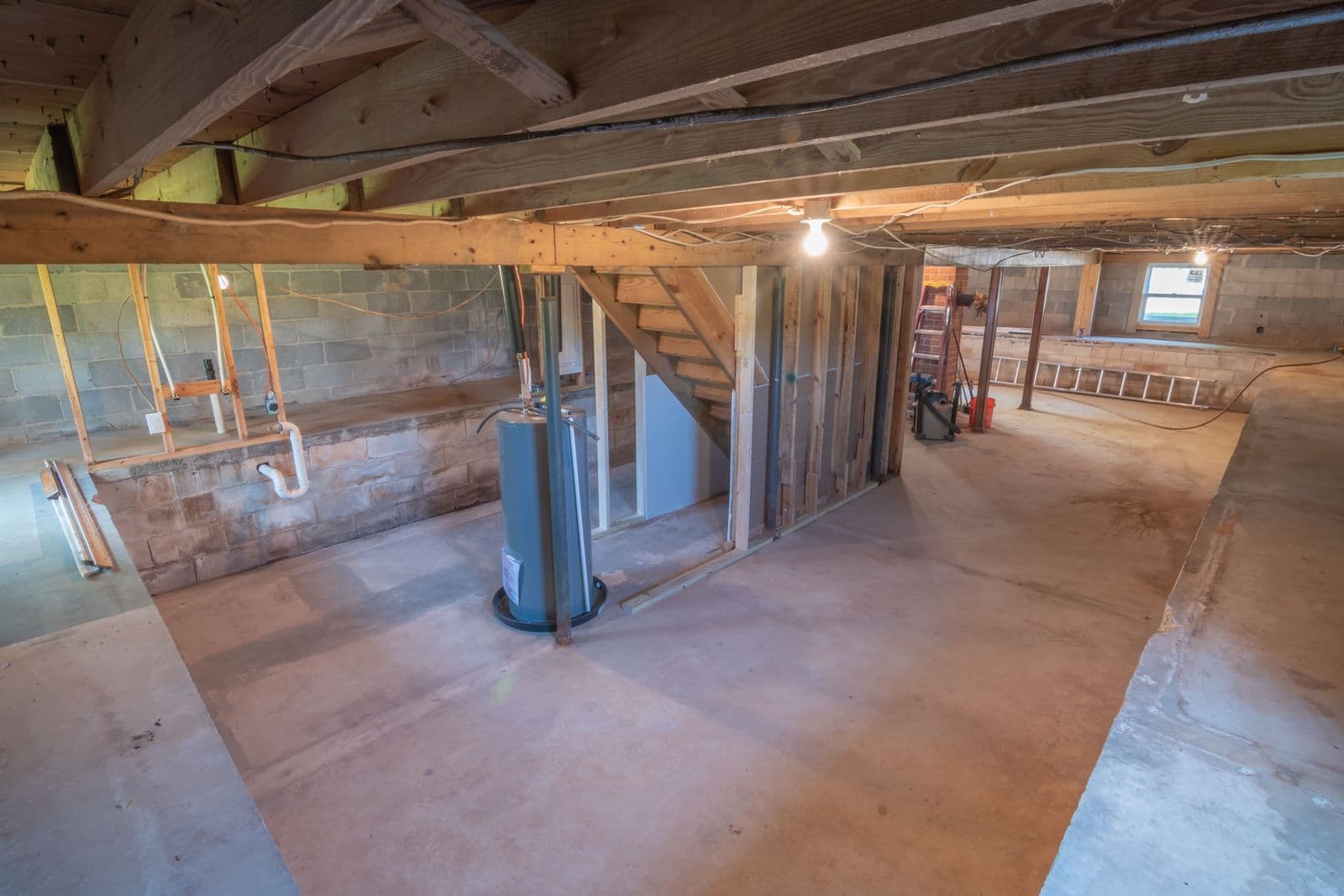
In homes from the 1960s and 1970s, a replacement can uncover a deteriorated vent connector, an undersized gas line or a missing expansion tank, all of which add to the job. Knowing that in advance is a reason to replace on your schedule rather than after the tank fails in a finished basement.
Call a professional if
- No hot water
- Lukewarm water or short showers
- Pilot light out
- Popping or rumbling
Water Heater: Repair or Replace?: follow-up questions
How long do water heaters last in Colorado?
Tank heaters commonly last around 8 to 12 years; hard water and lack of flushing can shorten that.
Is a leaking water heater repairable?
Leaks at fittings or valves often are. A leak from the tank itself means replacement.
Every home differs; editorial standards.