
Water heaters
How to Flush a Water Heater (and When to Call)
Updated · Kestrel editorial · 2 min read
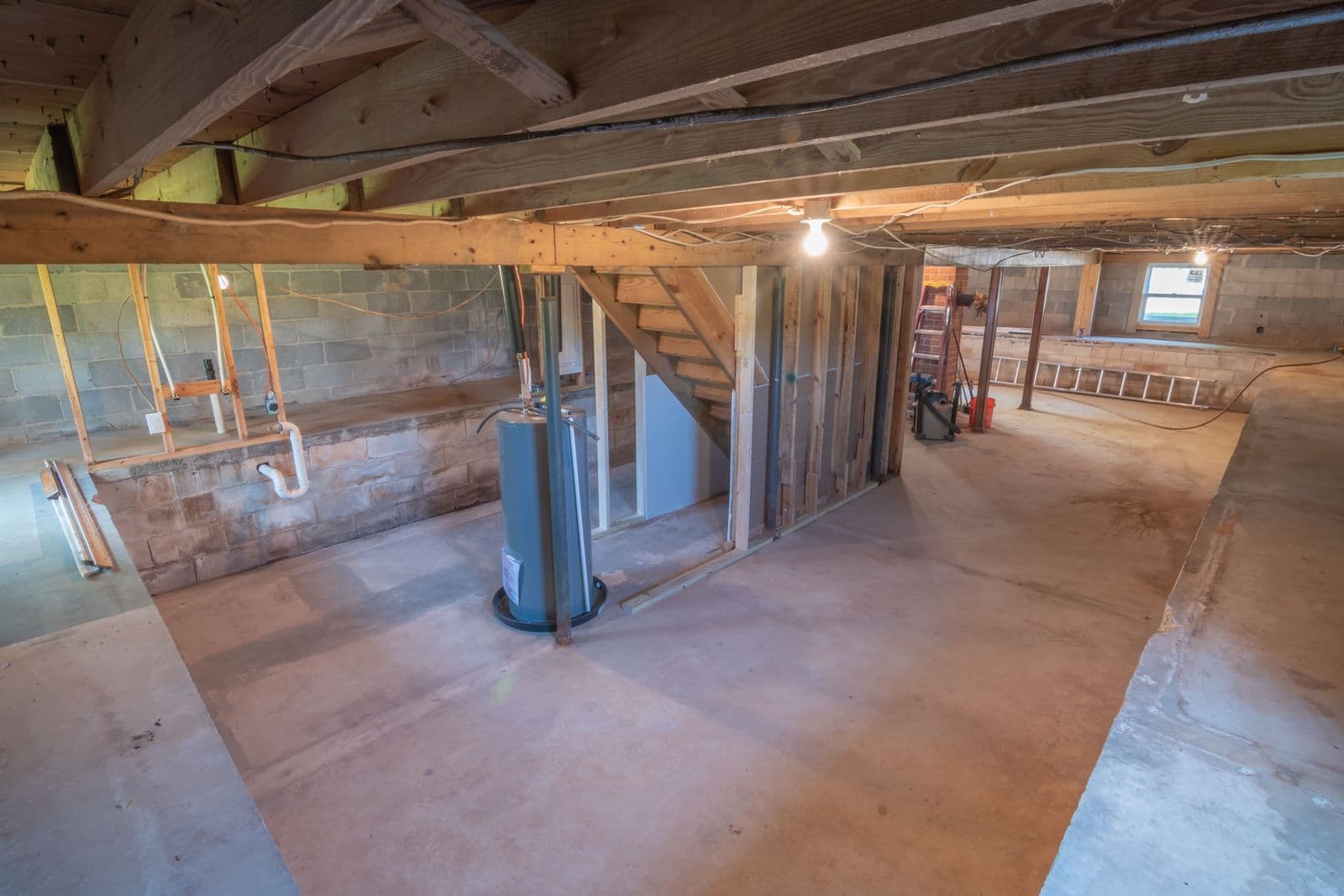
Steps
- Turn off gas (pilot setting) or the breaker
- Close the cold water inlet
- Hose from drain valve to a floor drain
- Open a hot faucet and the drain valve
- Flush until clear, then close and refill
- Restore gas or power
When to stop
Old plastic drain valves can break. If it leaks or the water is rusty, call for water heater repair.
When not to flush
If the drain valve is plastic and very old, or the heater hasn't been flushed in many years, opening the valve can cause a leak it won't reseal. In that case, have a plumber flush it and replace the valve.
Step by step (tank heaters)
Flushing removes sediment that settles at the bottom of the tank.
- Turn the gas valve to pilot or vacation, or switch off the breaker for an electric heater
- Close the cold-water supply valve on top of the tank
- Attach a hose to the drain valve and run it to a floor drain or outside
- Open a hot faucet upstairs to let air in, then open the drain valve
- When it drains, briefly open the cold supply to stir and flush remaining sediment, then close the drain
- Refill with a hot faucet open until water runs steadily, then restore gas or power
When to stop and call
If the drain valve won't close fully, is plastic and brittle on an older tank, or the water comes out dark with rust rather than sediment, stop. On an old tank, flushing can sometimes start a leak at a corroded drain valve.
Call a professional if
- No hot water
- Lukewarm water or short showers
- Pilot light out
- Popping or rumbling
How to Flush a Water Heater (and When to Call): follow-up questions
How often should I flush a water heater?
About once a year for most homes; more often with very hard water.
Why does my water heater make popping noises?
Sediment on the bottom of a gas tank traps water that boils and pops. Flushing usually helps.
Every home differs; editorial standards.