Local
Sump Pump Maintenance for Colorado Basements
Updated · Kestrel editorial
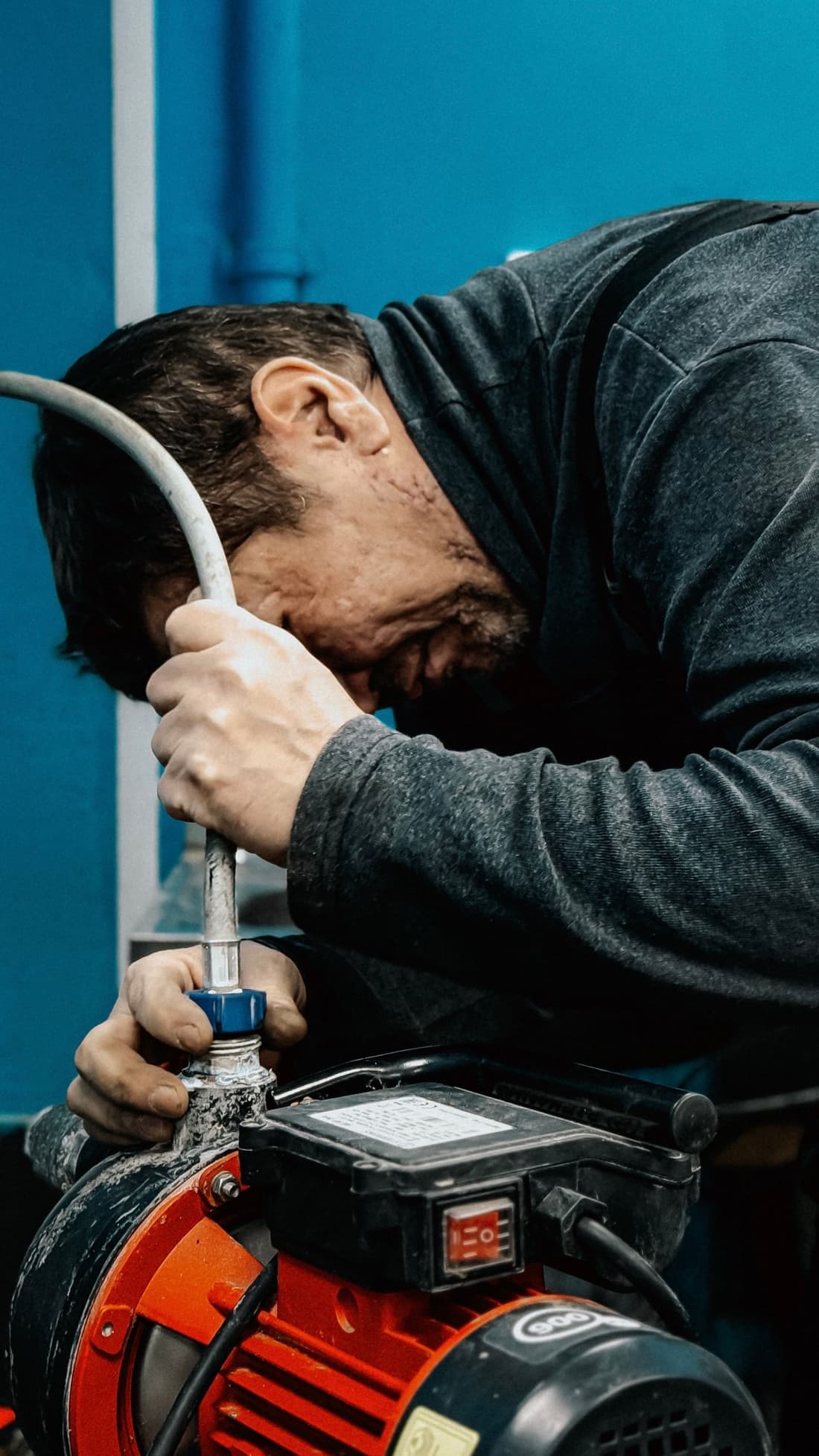
Spring test
Pour water into the pit until the float lifts; the pump should start and empty it quickly.
Winter
Discharge lines can freeze; a freeze-resistant outlet prevents water backing into the pit.
When to replace
Noisy, constantly running or seven- to ten-year-old pumps. See sump pump repair.
When to replace a sump pump
Replace a pump that runs constantly, cycles on and off rapidly, makes grinding noises, or is more than about 10 years old. Adding a battery backup protects a finished basement during storm power outages.
A spring checklist for Northern Colorado
Clear debris from the pit, confirm the float moves freely, pour in water to watch a full cycle, check that the check valve stops backflow, and walk the discharge line outside to make sure it drains away from the foundation. If the pump is near ten years old or runs constantly during snowmelt, plan a replacement before the wet season rather than after it fails.
Sump Pump Maintenance for Colorado Basements: follow-up questions
How do I test my sump pump?
Slowly pour a bucket of water into the pit. The pump should start, empty the pit and shut off.
Where should the sump pump discharge go?
Outside and away from the foundation, not into the sanitary sewer, which many cities prohibit.
When should I test my sump pump?
Before spring snowmelt and heavy rain, usually in March or April along the Front Range.
Does the discharge line freeze in winter?
It can. Make sure it drains away from the house and isn't blocked by snow or ice.
Every home differs; editorial standards.