Winter
How to Prevent Frozen Pipes in Colorado
Updated · Kestrel editorial
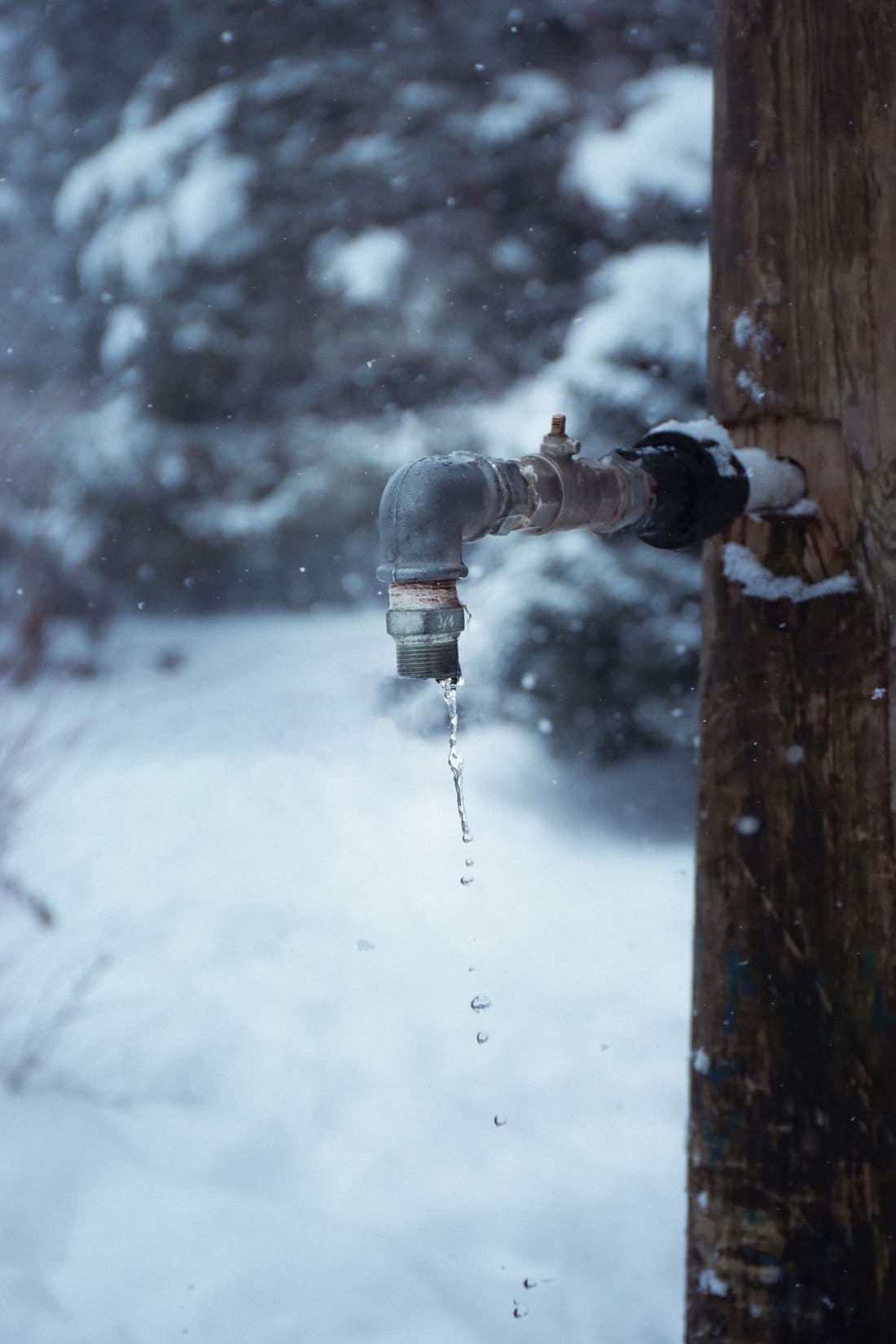
Where pipes freeze first
- Exterior walls, especially kitchens and bathrooms
- Crawlspaces and unheated basements
- Garages and attics
- Hose bibs and sprinkler backflow devices
- Pipes near dryer vents or rim joists with drafts
Before a cold snap
- Disconnect garden hoses
- Blow out and drain irrigation systems in fall
- Open cabinet doors on outside walls
- Drip faucets on the coldest runs
- Keep the thermostat up, even when traveling
If a pipe freezes
Warm it gently with a hair dryer or space heater at a safe distance. Never use an open flame. If you see a split, shut off the main first.
Permanent fixes
Rerouting pipes out of exterior walls, insulating, air-sealing and installing frost-free sillcocks. See frozen pipe repair.
Fixes for pipes that freeze every year
If the same line freezes whenever temperatures drop well below zero, reroute or insulate it for good: frost-free sillcocks sloped to drain, insulation and air sealing where the line crosses a rim joist, or heat cable on exposed crawl-space pipes.
How to Prevent Frozen Pipes in Colorado: follow-up questions
Should I drip faucets during a Colorado cold snap?
Yes, on nights well below freezing, a slow drip from faucets on exterior walls keeps water moving and relieves pressure.
Do frost-free spigots still freeze?
They can if a hose is left connected, which traps water in the valve. Disconnect hoses before the first hard freeze.
Every home differs; editorial standards.